


 LATEST NEWS:
English
25.02.2026
 09:28:00
ISTOČNO SARAJEVO TESTIFIES TO THE STRENGTH OF SARAJEVO SERBS
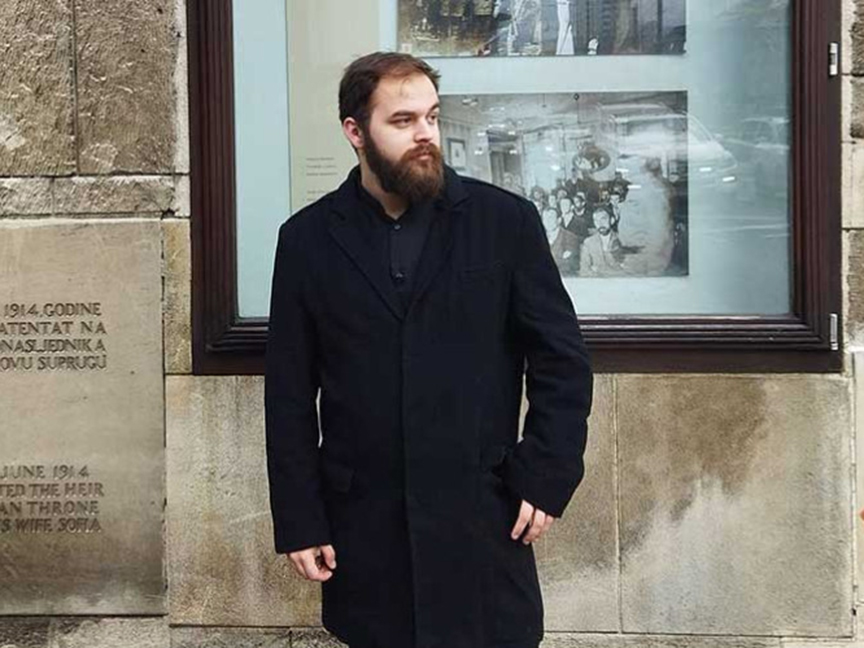
PALE, FEBRUARY 25 /SRNA/ - Istočno Sarajevo has grown into a strong urban whole that bears witness to the strength of the Sarajevo Serbs to endure and to achieve economic development in the area where they live quickly, historian Georgije Vulić told SRNA.
Vulić noted that the exodus of the Serb population from Sarajevo municipalities that, after the Dayton Peace Agreement, became part of the Federation of BiH /FBiH/ represents one of the most dramatic events for the Serb people at the end of the 20th century. Due to an atmosphere of distrust, fear of reprisals, uncertainty regarding security, and political instability, Vulić says that three decades ago, the majority of the Serb population left Ilijaš, Vogošća, Rajlovac, Hadžići, Ilidža, and parts of Novo Sarajevo. War-related traumas endured by the population in this area over the preceding years also played a significant role. "Serbs from this region sought to remain within the system of Republika Srpska and to share the fate of their people, even at the cost of leaving their homes and venturing into the unknown. In these efforts, the Serb people of this region had the support of the then political leadership of Republika Srpska. All of these events were preceded by the heroic defense of Serb Sarajevo, carried out in confrontation with a far more numerous wartime adversary," emphasized Vulić, who is a research fellow and senior associate at the Institute of Historical Sciences of the University of Istočno Sarajevo. He points out that this process decisively shaped the demographic structure of the area that would later be institutionally constituted as Istočno Sarajevo, given that there was an influx of population into the part of the former Serb Sarajevo which, according to the letter of the Dayton Peace Agreement, remained within Republika Srpska. Vulić emphasizes that, politically speaking, Istočno Sarajevo became one of the symbolic and administrative centers of Republika Srpska, and notes that the demographic concentration of displaced persons contributed to a specific identity narrative that remains present in public discourse in this area to this day. He explains that available sources indicate that the decision of Serbs to leave the defended territory thirty years ago was almost collectively accepted as a rational choice under the given circumstances, although there were certainly individuals who decided to remain. Vulić believes that historians must be cautious when addressing the question of "what might have been" in relation to the exodus, since, in formal and legal terms, the Dayton Peace Agreement did guarantee the right to survival and security for all citizens. "However, in practice, trust between ethnic communities had been deeply undermined, so while there was a theoretical possibility that part of the population might remain, the question is whether political elites, international representatives, and local structures had sufficient capacity to create conditions of genuine security and trust," Vulić emphasizes. The mass exodus of Sarajevo Serbs officially began on February 17, 1996, from Serb Sarajevo municipalities that, following the signing of the Dayton Peace Agreement, were assigned to the FBiH, and it lasted almost until the end of March. It is estimated that between 120,000 and 150,000 Serbs left their homes in the municipalities of Ilidža, Ilijaš, Vogošća, Hadžići, Rajlovac, Grbavica, and Novo Sarajevo, and one of the most harrowing aspects was the exhumation and transfer of the remains of the deceased to the territory of Republika Srpska.
English
10 hours ago
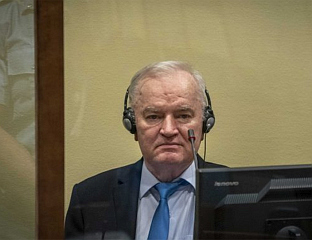
GENERAL MLADIĆ’S HEALTH CONDITION WORSE THAN BEFORE
BELGRADE, MAY 4 /SRNA/ – General Ratko Mladić is in an even worse health condition than before, he is still not being given an IV infusion at the dete...
11 hours ago
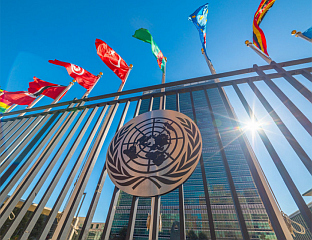
MINIĆ: I EXPECT UN SECURITY COUNCIL’S POSITION ON SCHMIDT’S ILLEGAL ACTIVITIES TO BE CHANGED
BANJA LUKA, MAY 4 /SRNA/ – Republika Srpska Prime Minister Savo Minić says he expects a change in the stance of the UN Security Council on Christian S...
11 hours ago
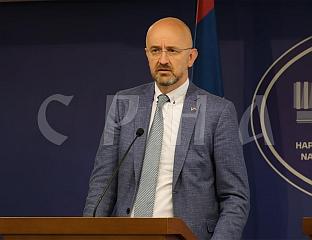
MAZALICA: SRPSKA GOVERNMENT DID GOOD JOB IN THE FIRST 100 DAYS IN COMPLEX CIRCUMSTANCES
BANJA LUKA, MAY 4 /SRNA/ – Head of the SNSD Caucus in the Republika Srpska National Assembly Srđan Mazalica says that the Republika Srpska Government...
12 hours ago

MINIĆ: BiH DYSFUNCTIONAL, GRADIŠKA BORDER CROSSING AN EXAMPLE
BANJA LUKA, MAY 4 /SRNA/ –Republika Srpska Prime Minister Savo Minić has stated today in Banja Luka that many important issues for citizens cannot be...
12 hours ago
MINIĆ: BAM SIX BILLION INVESTMENTS PLANNED
BANJA LUKA, MAY 4 /SRNA/ – Republika Srpska Prime Minister Savo Minić has stated today that in the first 100 days of the Government’s work, political...
12 hours ago

MINIĆ: SOLVING PROBLEMS SYSTEMATICALLY
BANJA LUKA, MAY 4 /SRNA/ –Republika Srpska Prime Minister Savo Minić says that he is proud of the Srpska Government and the team he heads, given that...