


 LATEST NEWS:
English
15.07.2024
 10:44:00
THE MOST RESPECTABLE PSYCHIATRIC INSTITUTION IN SRPSKA RESTORES HOPE FOR RETURN TO NORMAL LIFE
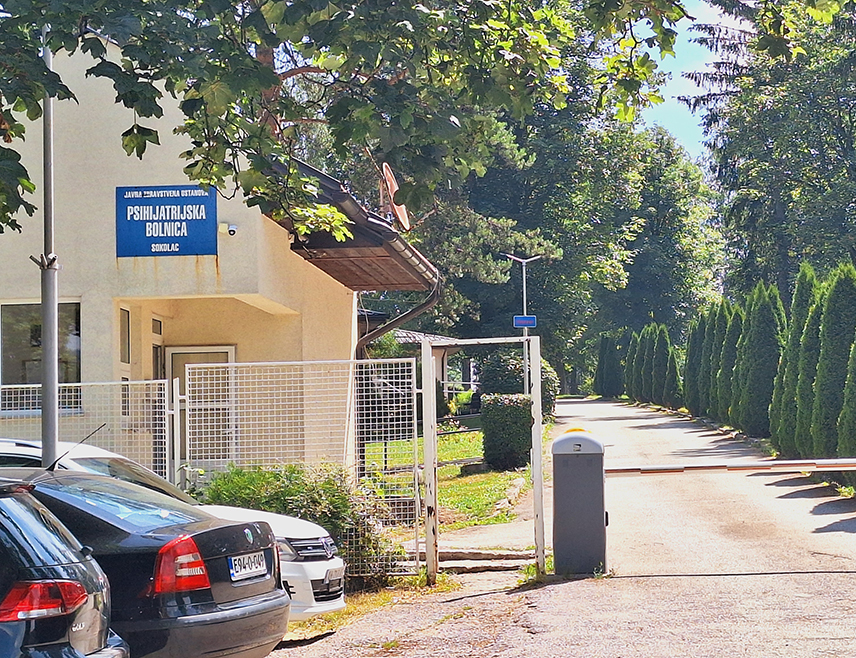
Every patient who comes to the psychiatric institution in Sokolac has a high chance of recovery, often goes home quickly, and then continues life where they left off. By Darko TERZIĆ
SOKOLAC, JULY 15 /SRNA/ - The Special Psychiatric Hospital in Sokolac, along with its professional medical and other staff who have literally bonded with the patients and know each individual's life story that has led them to a situation where they cannot function without their help and immense care, offers a lifeline for people rejected by their families and society. Some of them will probably spend the rest of their lives in this institution, as they have no other option. However, for them, this is the best choice because their relatives and friends consider them incurable and even see them as "lost and crazy." Fortunately, experienced psychotherapists do not view them this way and never give up on them as long as there is even the slightest chance that these individuals can be accepted again by those who thought they were beyond help. Due to health issues, I spent 25 days in this institution and even wanted to stay longer because each patient has a unique story - from people from rural areas to intellectuals and artists. Of course, in an institution of this type, there are clear rules and "military" discipline, which everyone adheres to without question, thus helping both themselves and the staff. In the acute male and female wards, mostly newly arrived patients are accommodated, and their recovery process is closely monitored. They move then to open wards where they can freely move around in a phenomenal natural environment, considered an air spa due to its altitude of nearly 1,000 meters. Well-maintained walkways and benches in deep shade bring these people together to share thoughts, understandings, and views, allowing those with similar life experiences to find one another. However, no one is rejected for thinking differently, and under the Romanija pines, conversations take place that could almost daily serve as scenarios for films or books. It is very important that patients have excellent and regular meals prepared in a modern kitchen and receive their regular allowances of tobacco, coffee, and even monetary rewards for those who make the most effort to help keep this hospital orderly. They love doing this work because it fulfills them and distracts them from the painful thoughts of the past. Their pensions and other social benefits are regularly paid, so they have nothing to worry about. With their first morning coffee and cigarette, jokes and incredible witticisms begin, making it very interesting and even educational for someone who hasn't stayed there before. Their sense of humor never dies, and everyone is careful not to offend anyone. They always share among themselves packages they occasionally receive from relatives and friends, and you can see how delighted they are with every candy, cookie, and juice. The acting director of this institution Dragan Bulajić told SRNA that the Republika Srpska Government has approved significant financial resources for the Special Psychiatric Hospital and gives full support to this health sector. He emphasized that the professional development of the staff is intensive, and that this healthcare institution serves as a scientific base for students from the Medical Faculty in Foča and the Faculty of Philosophy in Pale, thus contributing to the development and education of future professionals in the fields of medicine, psychology, and sociology with social work. Psychology students from various countries often come to this renowned institution, as it is known for its professionalism and careful patient care. Bulajić highlights that the governments of certain countries and international financial and humanitarian organizations are significantly involved in the education of the staff and the funding of the entire complex's renovation. Bulajić is a director who, along with the staff and patients, actively participates in actions to beautify the hospital complex. He notes that many modernization projects are currently underway and that old, non-functional buildings are being demolished, to be replaced by new, modern spaces for accommodating patients, staff, and administrative services. Occupational therapy is one of the mandatory forms of treatment when a patient is admitted to a ward in the Special Psychiatric Hospital in Sokolac. After the initial symptoms of the illness are managed, patients are referred to occupational therapy at the request of a psychiatrist, where they undergo a rehabilitation process. "Well-trained therapists know which technique to apply based on the diagnosis and the patient's condition to achieve improvement during the treatment," certified occupational therapist and defectologist Bojan Đerić told SRNA. He emphasizes that 70 percent of the patients are from the refugee population and are individuals who have survived many traumas, which have left a mark on their mental state. According to him, occupational therapy was often viewed with ridicule as a form of "entertainment," but in reality, it involves a planned, scientifically based, and proven process in the recovery of psychiatric patients. "Work and activities have effects. A person recovers much faster when they have certain activities. Occupational therapy includes painting, writing in the literary section, sports activities, and talented patients have the opportunity to engage in music, woodworking, or clay work, depending on their interests," Đerić adds. He notes that there are many patients from rural areas who wish to engage in the tasks they are accustomed to, such as mowing, vegetable gardening, and other jobs. The point is to divert thoughts that overwhelm a person and direct them toward something positive. "The patient thinks about what they will do, rather than what weighs them down. It's up to us therapists to identify their interests and stimulate them. The ultimate goal is to promote as much independence as possible so that someone who reintegrates into society tomorrow can continue their life and take care of themselves," emphasizes this experienced therapist. He mentions that patients are financially rewarded for their work, and although these rewards are symbolic, they are very satisfying to the patients. "We have one greenhouse, and another one was knocked down by the wind. We grow vegetables that we supply to our restaurant. Knitting is also a type of therapy that has been scientifically proven, and female patients excel at it," Đerić notes. He emphasizes that within the department, there is also a very rich library, recalling that all the books from the previous library were used for heating patient rooms during the war period, as there was no other fuel available. "Kind people showed understanding and donated new books to us. We even received books from the library of the city of Belgrade, as well as from local communities here," adds Đerić. He highlights that bibliotherapy is also very important because patients identify with certain characters in novels, which helps them in their recovery process. "Patients engage in sports and music. Unfortunately, our sports infrastructure is very scarce. The hospital used to have its own basketball and volleyball courts. All of that was devastated during and after the war. Now, there is a need to restore these facilities. We often have talented patients. Our performances are particularly interesting, and they generate fantastic energy," says Đerić. He points out that many talented painters have passed through this institution, and some paintings hold invaluable value and are not for sale because they are true masterpieces that reflect the state of patients at the time they were created. From his own experience, Đerić highlights the very challenging task of helping patients facing mental illness and decline to regain their former track, to lift them up and reintegrate them into society. "However, we mostly succeed in this, and the results are fantastic. We have former patients who reach out and tell us how much we've helped them," he adds. He emphasizes that every patient who comes to the psychiatric institution has a great chance of recovery, often goes home quickly, and then continues their life where they left off. Đerić stresses the importance of group therapy, where patients openly discuss their thoughts, problems, and ways to recover. "We address specific problems, especially if the patient cannot cope with them alone. We strive to find solutions together through honest communication. The most important thing is mutual trust," says Đerić. He warns that in modern times, gambling has become the number one addiction, surpassing even alcohol and drugs.
English
5 hours ago
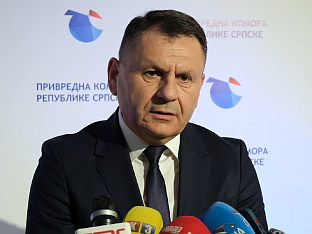
BUBIĆ: RECOGNITION DRIVES FURTHER SUCCESS OF COMPANIES
BANJA LUKA, APRIL 3 /SRNA/ – Republika Srpska Minister of Economy and Entrepreneurship Radenko Bubić said that awards for economic achievements serve...
6 hours ago

ECONOMIC STABILITY OF REPUBLIKA SRPSKA RESTS ON BUSINESS PERFORMANCE
BANJA LUKA, APRIL 3 /SRNA/ - The President of Republika Srpska Siniša Karan has stressed this evening that Republika Srpska has responsible companies...
8 hours ago
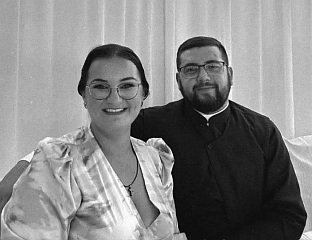
HUMANITARIAN APPEAL LAUNCHED TO SUPPORT CHILDREN OF TRAGICALLY DECEASED PRIEST AND HIS WIFE
BANJA LUKA, APRIL 3 /SRNA/ – A fundraising campaign has been launched to collect financial assistance for the treatment of three minor children of pri...
9 hours ago

PATRIARCH PORFIRIJE VISITS YOUNG PATIENTS AT TIRŠOVA CHILDREN'S CLINIC
BELGRADE, APRIL 3 /SRNA/ – His Holiness Serbian Patriarch Porfirije visited the Tiršova University Children’s Clinic in Belgrade today and praised all...
10 hours ago
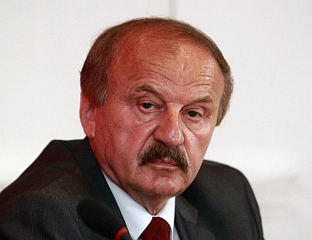
GRABOVAC URGES AUTHORITIES TO PREVENT FORMER HVO MEMBERS GATHERING IN MODRIČA
BROD, APRIL 3 /SRNA/ – The president of the Organization for Searching for Fallen Soldiers and Missing Civilians from Brod, Marko Grabovac, told SRNA...
11 hours ago
REPUBLIKA SRPSKA PROCLAIMS APRIL 19 DAY OF MOURNING
BANJA LUKA, APRIL 3 /SRNA/ – A Day of Mourning will be observed in Republika Srpska on April 19 in remembrance of the victims of the Ustasha genocide...