


 LATEST NEWS:
English
24.08.2025
 09:44:00
FAMOUS BATTLE OF CER ENDED
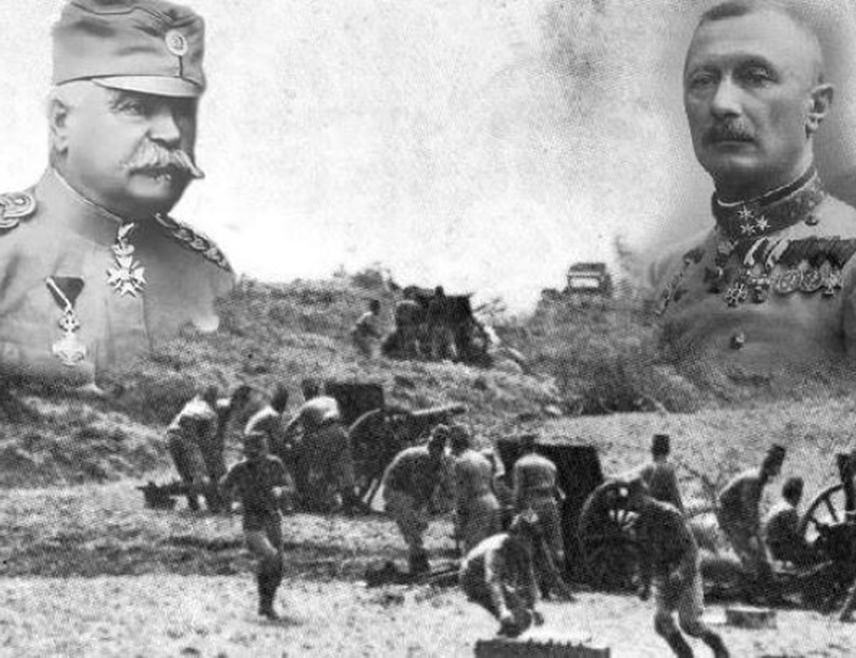
BIJELJINA, AUGUST 24 /SRNA/ - The Battle of Cer, in which the Serbian Army utterly defeated the Austro-Hungarian forces and achieved the first Allied victory in the First World War, ended on August 24, 1914.
Of the 200,000 Austro-Hungarian soldiers who had attempted to occupy Serbia since August 12, not a single one remained in Serbia, except for 4,500 prisoners of war. “During the bloody battles, the Austro-Hungarian troops suffered 27,000 casualties, while more than 16,000 Serbian soldiers were put out of action, 2,107 of whom were killed. At the end of August 1914, the Austro-Hungarian soldier and journalist Egon Erwin Kisch wrote in his diary about those dramatic moments: "The army has been utterly defeated and is in a ruthless, wild, and panicked flight. A defeated army - no, a shattered mob - was rushing in blind fear toward the border." Between July 29 and August 11, the Austro-Hungarian Army carried out artillery attacks on northern and northwestern Serbia, successfully establishing a system of pontoon bridges across the Sava and Danube rivers. Serbs knew it was impossible to defend the entire 550-km-long border with the Austro-Hungarian Monarchy. That is why the commander-in-chief Duke Radomir Putnik ordered the Serbian Army to withdraw to the traditional defensive lines in Šumadija, where it could act quickly both in the west and the north. Strong detachments were deployed in Valjevo and Užice, and reconnaissance patrols were positioned at every important point along the border. On the slopes of Mount Cer, in the village of Tekeriš, on August 19, 1914, the Serbian Army won one of its most glorious victories of the First World War, facing a military power that at the time possessed six times larger territory and eleven times more inhabitants. General of the Second Serbian Army Stepa Stepanović was awarded the rank of duke for his successful command in the battle. The battle had a significant impact on the Austro-Hungarian soldiers in the Balkans, and their forces in Montenegro were forced to abandon Pljevlja, which they had captured on August 19. With this victory, Serbia drew the world’s attention and gained sympathy in both neutral and allied countries Newspaper articles about the defense of Serbia became more frequent in the British press, and the country was held in such high regard that certain groups of Italian intellectuals supported Italy’s entry into the war on the side of the Allies, citing Serbia and Montenegro as examples.
English
5 hours ago

ASIEL: EDUCATIONAL GATHERING ON JASENOVAC TO MARK UPCOMING DONJA GRADINA COMMEMORATION
BELGRADE, APRIL 16 /SRNA/ – A commemorative and educational event on Jasenovac will be held in Belgrade tomorrow ahead of the observance of the Day of...
6 hours ago

GOGANOVIĆ AFTER MEETING WITH HOYER IN WASHINGTON: DECISIONS SHOULD BE MADE BY DOMESTIC ACTORS
WASHINGTON, APRIL 16 /SRNA/ – Deputy Minister of Defense in the Council of Ministers Aleksandar Goganović met in Washington with one of the Democratic...
7 hours ago

AFTER TALKS WITH BUSINESS LEADERS, DODIK SAYS BEST TIME IS AHEAD OF SRPSKA
BANJA LUKA, APRIL 16 /SRNA/ – SNSD leader Milorad Dodik said that during the meeting with business leaders from Republika Srpska he had, in principle,...
8 hours ago
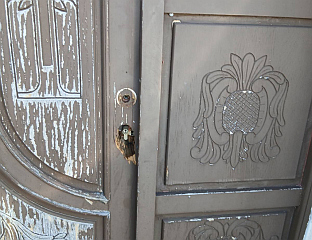
HURTIĆ CONDEMNS ATTACK ON CHURCH, SEEKS ACCOUNTABILITY
SARAJEVO, APRIL 16 /SRNA/ – The Minister of Human Rights and Refugees in the Council of Ministers Sevlid Hurtić condemned the attack on the Church of...
8 hours ago

ŠOBOT: UCC DOCTORS STAND READY TO EXAMINE GENERAL MLADIĆ
BANJA LUKA, APRIL 16 /SRNA/ – A team of doctors from the University Clinical Center /UCC/ of Republika Srpska is always ready to visit General Ratko M...
9 hours ago

SRPSKA WILL RESPOND APPROPRIATELY TO POSTERS FEATURING MAHMULJIN
BANJA LUKA, APRIL 16 /SRNA/ - Radan Ostojić, the Minister of Labor, War Veterans’ and Disabled Persons' Protection of Republika Srpska, said that Repu...